When it comes to designing products that are durable, comfortable, flexible, and cost-effective, few materials can match the versatility of rubber. From consumer goods and medical equipment to industrial machinery and automotive components, rubber plays a vital role in countless products used every day.
Its unique combination of flexibility, resilience, grip, cushioning, and weather resistance makes it an essential material for manufacturers across a wide range of sectors. Furthermore, advances in rubber moulding technology have made it possible to create highly customised components that meet specific performance and design requirements.
In this article, we’ll explore why rubber continues to be one of the most versatile materials for product design, the different types of rubber mouldings available, and the many applications where rubber contributes to product performance and user experience.
What Makes Rubber Such A Versatile Material?
The popularity of rubber in product design stems from its ability to offer multiple performance benefits within a single material.
Depending on the compound used, rubber can provide:
- Excellent flexibility and elasticity
- Shock absorption and vibration reduction
- High levels of grip and traction
- Resistance to water and moisture
- Protection against chemicals and oils
- Electrical insulation properties
- Durability under repeated use
- Comfort and ergonomic benefits
As a result, designers can use rubber to enhance both the functionality and aesthetics of a product while improving its overall lifespan.
The Role Of Rubber Mouldings In Modern Product Design
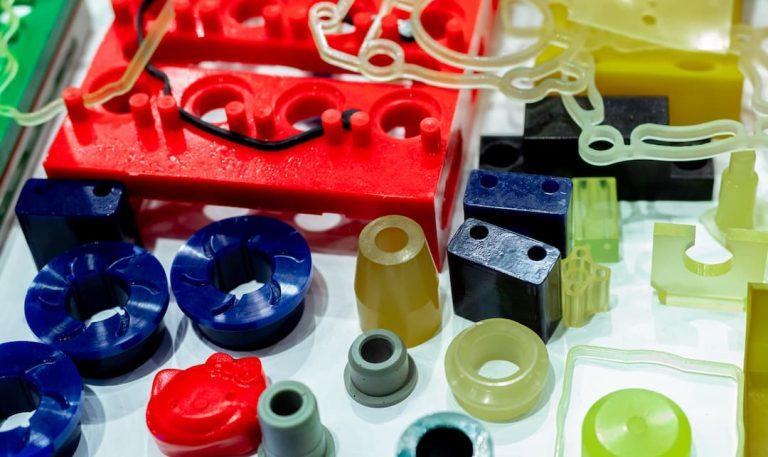
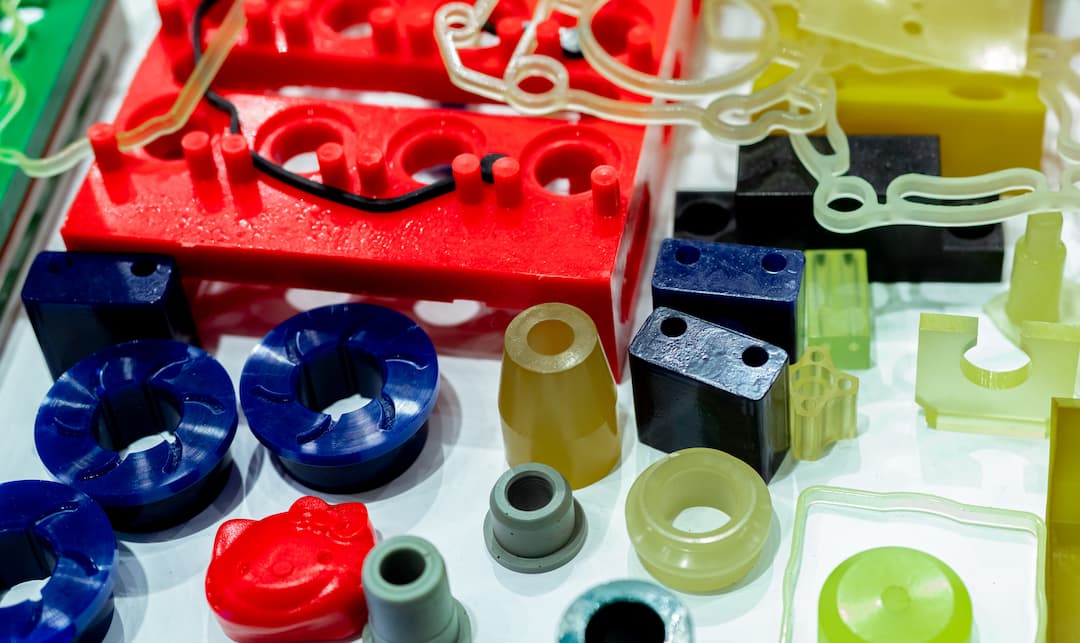
Rubber mouldings are among the most common ways rubber is incorporated into products. These components can be manufactured in a wide variety of shapes, sizes, and hardness levels to suit specific applications.
Compression Mouldings
Compression moulding is a popular manufacturing process used to create durable rubber components with consistent performance characteristics.
This method is often used for:
- Seals and gaskets
- Protective covers
- Industrial components
- Consumer product parts
- Medical rubber products
Compression moulding is particularly effective for producing robust components that must withstand regular use and environmental exposure.
Injection Mouldings
Rubber injection moulding is ideal for producing high volumes of precision components. It allows manufacturers to achieve tight tolerances and intricate designs while maintaining consistency across production runs.
Common applications include:
- Electrical components
- Consumer products
- Automotive parts
- Medical equipment components
- Appliance seals
Custom Rubber Mouldings
Many businesses require bespoke rubber mouldings tailored to their product designs. Custom moulding allows manufacturers to develop components that fulfil specific performance, aesthetic, or ergonomic requirements.
For example, a product may require a unique texture for improved grip, a specialised rubber compound for chemical resistance, or a custom profile to fit within a larger assembly.
How Rubber Enhances Everyday Consumer Products
Many consumer products rely on rubber components, often in ways that users may not immediately notice.
Hairbrushes
A hairbrush is an excellent example of how rubber improves product functionality and user comfort.
The rubber cushion found beneath the bristles helps distribute pressure more evenly during brushing. This flexibility allows the brush to move comfortably through the hair while reducing pulling and strain on the scalp.
Additionally, the rubber base supports the bristles, helping them maintain their positioning while absorbing impact during regular use. Without this rubber component, many hairbrushes would feel significantly less comfortable and durable.
Kitchen & Household Products
Rubber is frequently used in:
- Jar grippers
- Non-slip mats
- Appliance feet
- Storage container seals
- Sink plugs
In these applications, rubber provides grip, flexibility, and protection against moisture, making products safer and more effective to use.
Sports & Fitness Equipment
Many fitness products incorporate rubber mouldings to improve performance and safety.
Examples include:
- Resistance bands
- Exercise equipment grips
- Protective flooring
- Dumbbell coatings
- Sports accessories
Rubber helps absorb impact while providing comfort and durability in high-use environments.
Industrial Applications Of Rubber Components
The versatility of rubber extends well beyond consumer products.
Machinery Protection
Industrial equipment often contains rubber mouldings designed to minimise vibration, absorb shock, and protect internal components from wear.
This can help improve equipment reliability while reducing maintenance requirements.
Sealing Applications
Rubber seals and gaskets are critical in preventing the ingress of dust, water, and contaminants.
These components are used extensively in:
- Pumps
- Valves
- Manufacturing equipment
- HVAC systems
- Processing machinery
Safety Components
Rubber is widely used to enhance workplace safety through products such as:
- Protective bumpers
- Anti-slip mats
- Edge protection strips
- Equipment mounts
- Vibration isolation components
Rubber In Medical & Healthcare Products
The healthcare sector also benefits from rubber’s unique properties.
Medical rubber components are commonly used in products requiring comfort, flexibility, and durability.
Examples include:
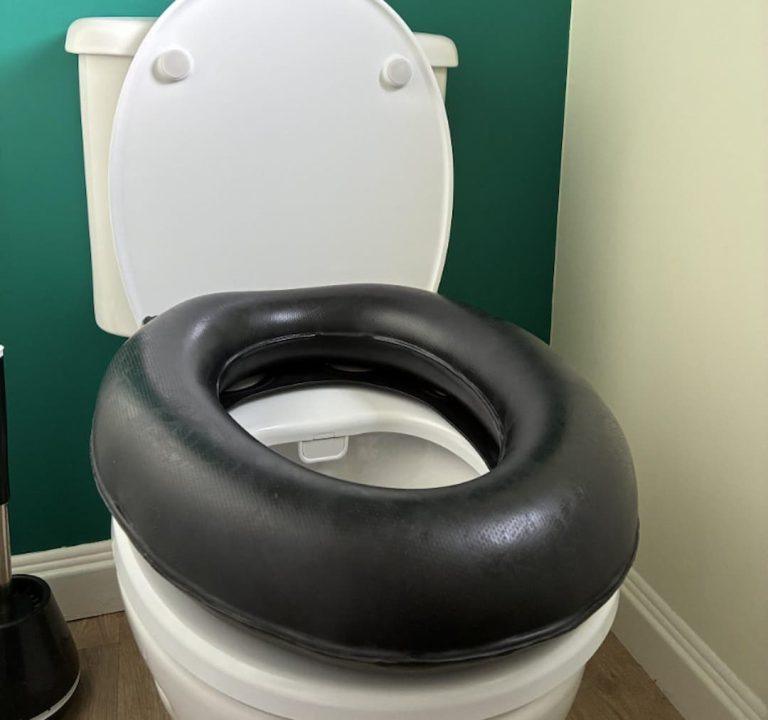
- Inflatable support products
- Medical cushions
- Mobility aids
- Specialist seating solutions
- Rehabilitation equipment
The material’s ability to provide cushioning and reliable performance makes it particularly valuable in patient care environments.
Why Custom Rubber Mouldings Continue To Grow In Popularity
As product designs become more specialised, the demand for custom rubber mouldings continues to increase.
Manufacturers are seeking components that can:
- Improve user comfort
- Enhance product durability
- Meet precise technical specifications
- Reduce assembly complexity
- Deliver unique design features
Custom moulding enables businesses to create solutions that are tailored precisely to their applications rather than adapting standard components to fit their needs.
Consequently, bespoke rubber components have become increasingly important across engineering, manufacturing, healthcare, and consumer product sectors.
The Value Of Working With An Experienced Rubber Manufacturer
The performance of a rubber component depends not only on design but also on material selection and manufacturing quality.
An experienced rubber manufacturer can help businesses select the most suitable rubber compound, optimise component designs, and ensure consistent production standards throughout the manufacturing process.
This collaborative approach allows manufacturers to develop components that deliver reliability, durability, and long-term value.
Versatile Materials For Product Design
Rubber remains one of the most versatile materials available to product designers and manufacturers. Its unique combination of flexibility, durability, cushioning, grip, and resistance to environmental factors makes it suitable for an enormous range of applications.
From hairbrushes and household products to industrial machinery, medical equipment, and specialist consumer goods, rubber mouldings continue to play a crucial role in improving performance, functionality, and user experience.
As product requirements evolve, custom rubber mouldings provide businesses with the flexibility to create innovative solutions that meet increasingly demanding design and performance expectations.
Looking for Custom Rubber Mouldings?
If you’re interested in developing bespoke rubber mouldings or would like expert guidance on material selection and product design, contact Dunphy Polymer. Our experienced team manufactures high-quality rubber components for a wide range of industries, helping businesses create reliable, durable, and effective products tailored to their exact requirements.