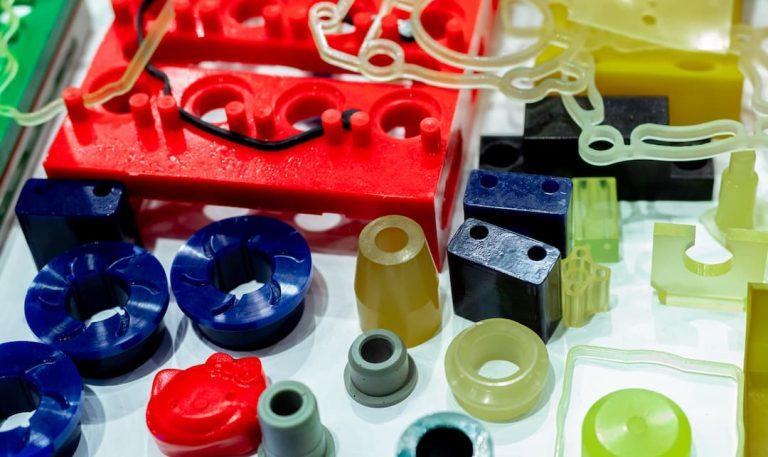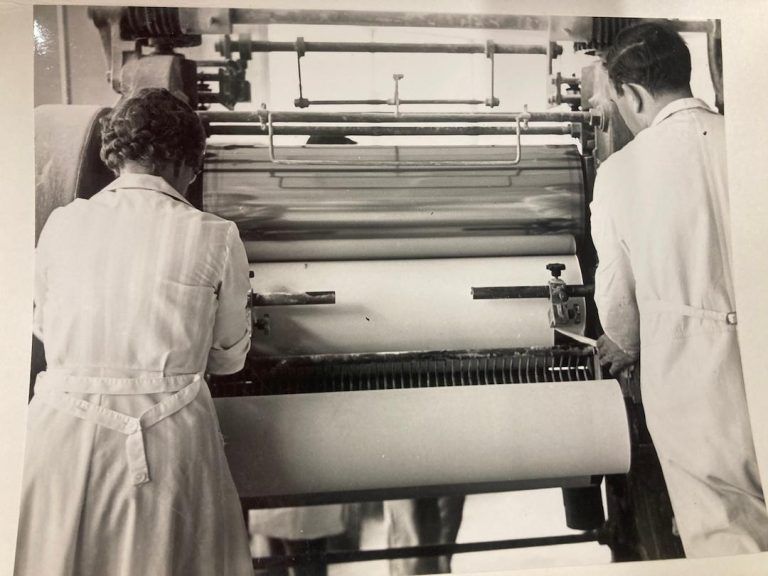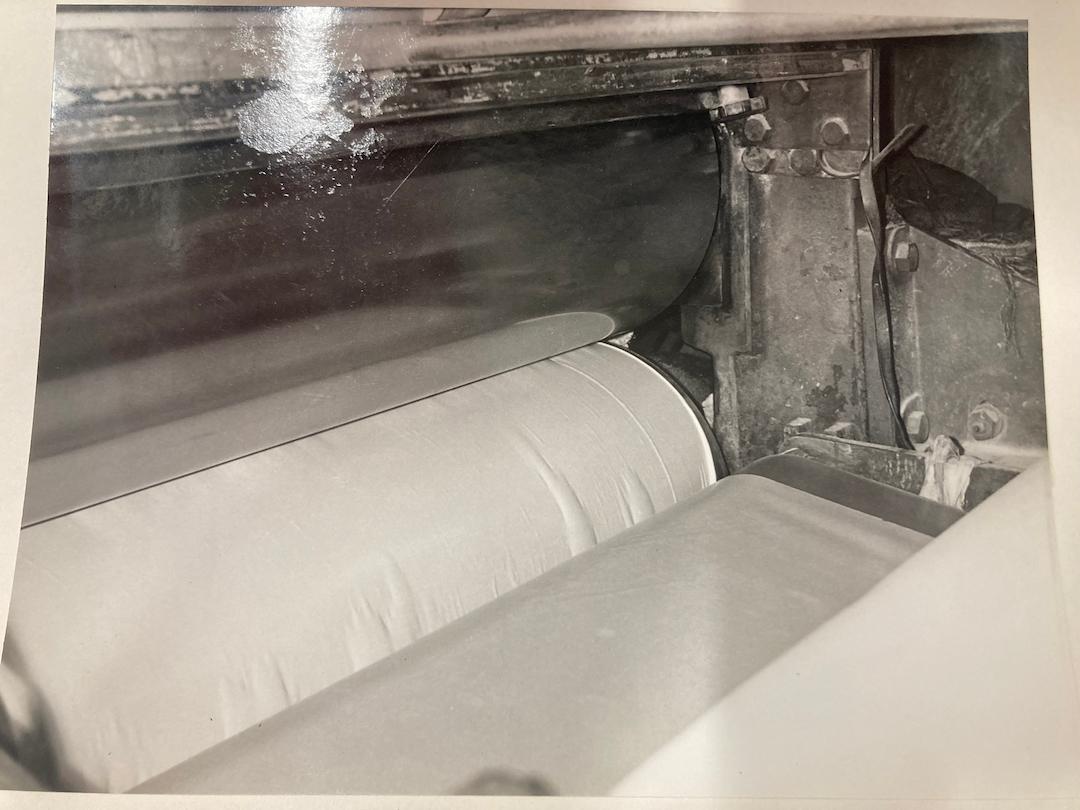
Rubber sheeting plays a vital role in controlling vibration within manufacturing plants. It is widely used beneath machinery, between components and across factory floors to absorb movement and reduce mechanical stress. In environments where heavy equipment runs continuously, rubber sheeting helps maintain stability, protect assets and support safe operations.
Vibration is an unavoidable part of most manufacturing environments. Heavy machinery, rotating equipment and high-speed production lines all generate movement during normal operation. While some vibration is expected, excessive or uncontrolled vibration quickly becomes a serious issue. It affects machinery performance, employee safety and long-term operational costs.
The Impact Of Vibration In Manufacturing Environments
Unchecked vibration causes more damage than many businesses realise. Over time, it accelerates wear on bearings, motors and structural components. This leads to frequent breakdowns, unplanned downtime and rising maintenance costs. In high-output plants, even short stoppages can have a significant financial impact.
Vibration also affects product quality. Precision machinery can drift out of tolerance, resulting in defects, rework or rejected batches. In regulated industries, this can quickly become a compliance issue.
There is also a human cost. Continuous vibration contributes to noise pollution and can cause discomfort or long-term health issues for operators. Reducing vibration is therefore not just an engineering concern. It is a workplace safety priority.
How Rubber Sheeting Controls Vibration
Rubber sheeting works by absorbing and dissipating energy. Instead of allowing vibration to travel through floors, frames or surrounding equipment, the rubber dampens the movement at the contact point. This reduces the amplitude and spread of vibration throughout the plant.
Unlike rigid materials, rubber has natural elasticity. It compresses and rebounds under load, converting mechanical energy into low-level heat. This process significantly reduces vibration transmission without compromising structural support. Rubber sheets can be installed under machinery bases, between metal components, or as lining materials within enclosures. This versatility makes them suitable for a wide range of industrial applications.
Benefits Of Using Rubber Sheeting For Vibration Control
One of the most immediate benefits is equipment protection. By reducing vibration, rubber sheeting minimises stress on mechanical parts. This extends service intervals and increases the overall lifespan of machinery. Noise reduction is another major advantage. Lower vibration levels mean quieter operations, which improves working conditions and helps plants meet noise regulations. A quieter factory floor also supports better communication and reduces operator fatigue.
Rubber sheeting also improves stability. Machines seated on rubber pads or sheets are less likely to shift during operation. This is particularly important for high-speed or high-precision equipment. From a cost
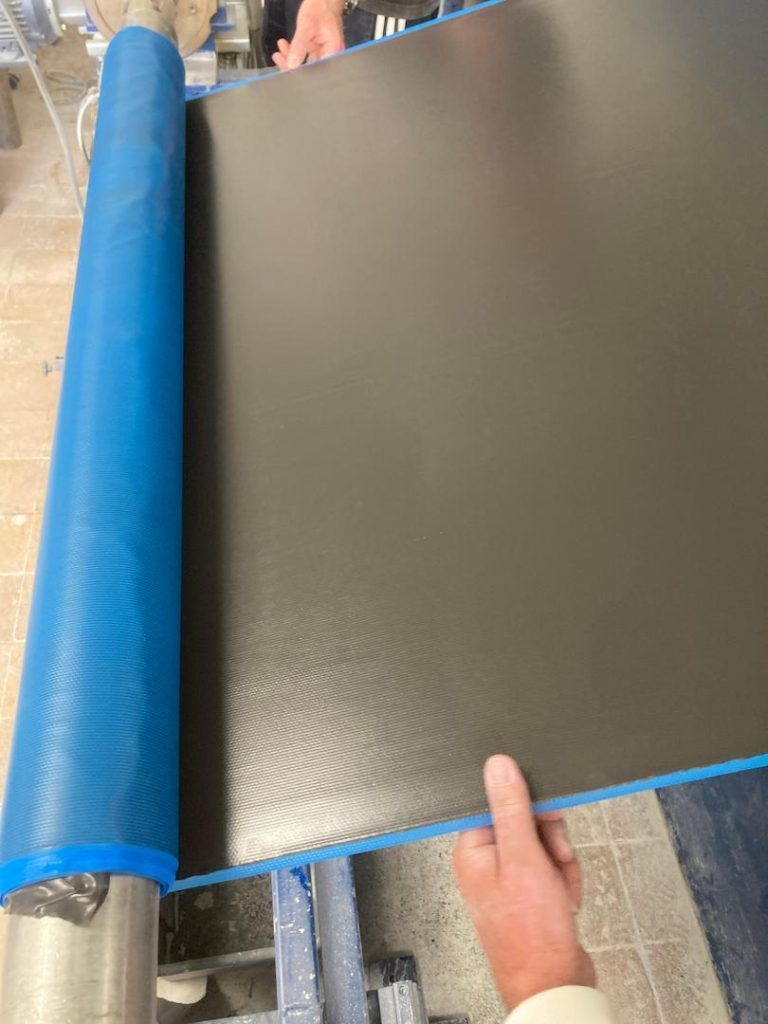
perspective, rubber sheeting is a smart investment. It is relatively low-cost compared to major mechanical modifications, yet it delivers long-term savings through reduced maintenance and downtime.
Choosing The Right Rubber Sheeting Material
Not all rubber sheeting performs the same. Material selection is critical for effective vibration control. Factors such as load, operating temperature, exposure to oils or chemicals, and environmental conditions must all be considered.
EPDM rubber is commonly used for vibration isolation due to its excellent elasticity and resistance to heat and weathering. Neoprene offers good balance between vibration damping and oil resistance, making it suitable for mixed industrial environments. Nitrile rubber is ideal where oils and fuels are present, although it may be less flexible at lower temperatures.
Installation & Long-Term Performance
Correct installation is essential to achieve the full benefits of rubber sheeting. Sheets must be properly sized, evenly loaded and securely positioned. Poor installation can reduce effectiveness and lead to premature wear.
Once installed, rubber sheeting requires minimal maintenance. However, regular inspections are recommended. Over time, exposure to heat, chemicals or constant load can degrade the material. Replacing worn sheets early prevents vibration issues from returning. Working with an experienced supplier ensures the correct specification from the outset. This reduces trial-and-error and delivers reliable performance over the long term.
Supporting Efficient & Safer Manufacturing Operations
Vibration control is not a luxury. It is a fundamental part of efficient, safe and compliant manufacturing operations. Rubber sheeting provides a proven solution that protects equipment, supports workers and reduces operational risk.
By investing in the right rubber materials, manufacturers can improve productivity, reduce costs and create a more stable production environment. It is a small component that delivers a big impact.
Choose Dunphy Polymer For High-Performance Rubber Sheeting
When vibration control matters, material quality and expertise make all the difference. Dunphy Polymer supplies high-quality rubber sheeting designed for demanding industrial environments. With a wide range of materials, thicknesses and custom options, we help manufacturing businesses find the right solution first time.
Contact Dunphy Polymer for all your rubber sheeting needs and keep your operations running smoothly, safely and efficiently.